

Construction Contract Disputes: 7 Urgent Risk Points
Florida construction projects move on financing timelines, tenant deadlines, and inspection schedules. In Tampa, when a commercial project falls behind, payment disputes usually follow.
When construction contract disputes begin, they usually involve substantial unpaid balances and competing damage claims. The focus shifts from cooperation to protecting your position.
Legal strategy matters at this stage. Serious disputes settle only after each side proves it can win.
If your construction contract dispute is moving toward termination or formal claims, contact Southron Firm, P.A. for a confidential consultation.
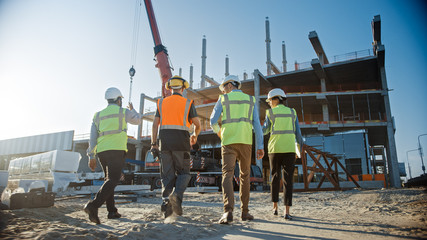
How these construction contract disputes actually form on Florida projects
Most owners and general contractors do not wake up planning litigation. The conflict builds slowly.
The owner holds back a payment. The project falls behind schedule. A change order moves forward without clean paperwork.
Each side starts protecting its position.
Once that occurs, people treat emails as evidence and draft meeting minutes with litigation in mind. The focus shifts from problem-solving to claim positioning.
If you are already seeing that shift, you are in the early stages of a serious construction contract dispute. The risk is not only the unpaid amount. It also includes added costs such as completion expenses, liquidated damages, lost productivity, extended overhead, and subcontractor claims.
The 7 risk points that drive high-value construction contract disputes
These issues arise in many construction contract disputes between developers and general contractors.
1. Payment holds that trigger a leverage war
Construction payment disputes rarely stay limited to a single draw. When an owner withholds a progress payment, the contractor faces difficult choices. Continue paying labor and subcontractors, slow the work, or enforce the contract.
Owners justify withholding payment with defect allegations or incomplete milestones. Contractors respond by documenting compliance and preserving contractual and statutory rights.
In Florida, payment conflicts also raise timing issues under lien law. If lien rights matter on your project, deadlines are not forgiving. Delaying action can weaken your leverage.
2. Change order friction that turns into a scope lawsuit
Scope growth happens on almost every commercial job. The legal problem is not the change itself, but approval and proof.
When the parties treat changes informally, the accounting becomes a dispute later. The developer argues the work was included in the base contract. A contractor may argue it was extra work that kept the job moving.
The focus is consistent proof.
The record should show who requested the change, when it was priced, and how it affected the schedule. It should also show whether written approval was required.
Scope disputes also create a second risk: they distort the schedule. The schedule is often the next battleground.
3. Delay claims that grow into major damages
Delays are rarely caused by a single event. On Tampa projects, delays often involve several problems at once. Design revisions, late approvals, trade coordination issues, inspection delays, and supply disruptions.
A delay claim construction lawyer identifies who caused the delay and evaluates whether the delay was justified. They check whether someone owes payment and who the contract assigns responsibility to.
Developers may claim lost rent, financing costs, or liquidated damages. Contractors may claim extended overhead or lost productivity.
High-value construction contract disputes often require expert schedule review. If you do not document the schedule early, the other side may control the narrative.
4. Termination decisions that create the biggest exposure
In construction contract disputes, termination is often the point of no return. A termination letter marks a litigation event.
If an owner ends the contract without proper notice and time to fix the issue, the contractor may seek damages. If a contractor walks off the job without contractual reason, the owner may pursue completion costs and delay damages.
Termination also creates practical risk. Site access turns into a dispute. The parties dispute materials and equipment. The replacement contractor begins building a new record immediately.
If the parties are discussing termination, evaluate your exposure before issuing the notice, not after.
5. Defect allegations used to justify nonpayment
Some defect allegations are legitimate. In other cases, they function as leverage, and often they serve both roles.
Owners may claim nonconforming work or failed inspections. Contractors may argue the work meets contract requirements or that design issues caused the problem.
Defect disputes tend to become evidence-heavy. Photos, daily reports, RFI responses, and inspection records matter. Expert opinions often become central.
If an owner uses defect claims to withhold a major payment, the dispute often moves toward a breach of contract claim.
6. Lien and notice mistakes that quietly weaken a case
Florida construction disputes often involve statutory deadlines that do not feel urgent until it is too late. Chapter 713 of the Florida Statutes governs construction liens and related notice requirements. If lien rights are part of your leverage, compliance is not optional.
Even when the case centers on contract claims, lien deadlines shape leverage. Developers may want to avoid title or financing complications. Contractors may need security for unpaid balances.
A construction contract dispute lawyer evaluates lien rights and contract rights together. They affect leverage in negotiations, even if the case goes to court.
7. Damage models that don’t match reality
High-value construction contract disputes are not only about proving breach. The focus is proving damages in a way that survives attack.
Contractors often pursue unpaid balances, approved extras, extended general conditions, and sometimes lost profits. Developers often pursue completion costs, delay damages, and alleged repair costs.
Overreaching or under-documenting damages weakens credibility and leaves money on the table.
When substantial sums are at stake, the party with a cleaner, more defensible damage model often controls resolution pressure.
Florida law context that shapes leverage
Florida construction contract disputes blend contract terms with statutory requirements. Florida statutes often control deadlines, notices, and lien enforcement.
Two practical reminders matter in many commercial disputes:
- Lien rights and lien notices can create early leverage, but only if deadlines are protected under Chapter 713.
- Termination disputes often turn on whether the parties followed the required notice and cure steps exactly as written.
This is why parties shift from project discussion to record building. Once the dispute matures, the outcome often depends on what the documents show, not what the parties said on the jobsite.
Tampa Case Example: How a Six-Figure Payment Dispute Escalates
A Tampa developer hires a general contractor for an $11 million commercial build. Mid-project, the GC submits two draw requests totaling $640,000. The developer pays part and holds back the rest, citing punch list issues and schedule concerns.
The GC continues working to avoid default. Subcontractors begin demanding payment. The GC submits pricing for scope changes tied to owner-driven revisions, but approvals stall.
Written communications grow more formal. The developer issues a notice to cure and references termination.
The GC responds with a formal demand and preserves statutory rights. The developer hires a consultant and builds a completion-cost narrative.
At that point, the dispute is no longer informal. Both sides are positioning for a breach of construction contract case with competing damage theories. Litigation becomes the likely forum unless one side adopts a disciplined strategy.
When a construction litigation attorney in Tampa adds real value in construction contract disputes

A construction litigation attorney Tampa businesses rely on is not there to rewrite your contract or “smooth things over.” Effective counsel protects leverage and reduces exposure while preparing the case for filing.
That often means:
- Locking down the project record early
- Framing the dispute around provable breach theories
- Testing termination risk before it becomes permanent
- Evaluating damage categories with discipline
- Using contractor dispute resolution tools when they serve your financial position
It also means being selective about what matters. Many construction conflicts include noise. High-value cases turn on a smaller set of facts that decide breach, causation, and damages.
Knowing when you are past “normal disagreement”
Some disputes can still be resolved with business-focused negotiation. Others have crossed into a litigation track.
You are likely dealing with a serious dispute when you see:
- Significant payment holds tied to shifting reasons
- Termination threats, lockout language, or cure notices
- Competing expert involvement or formal defect reports
- Escalating schedule accusations tied to liquidated damages
- Sub or supplier claims building behind the scenes
When those factors appear together, the risk is real. The legal exposure is already forming.
If You Are Involved In A Construction Contraction Dispute- Act Now
Construction contract disputes involving significant financial exposure require early legal positioning and disciplined evaluation of damages.
Southron Firm, P.A. represents Tampa and Florida businesses in complex construction litigation that can affect the entire project.
If your dispute is moving toward termination or litigation, speak with experienced commercial counsel before exposure increases.
